
The U.S. Department of Justice (DOJ) has signaled a new enforcement priority under the False Claims Act (FCA): examining whether certain corporate Diversity, Equity, and Inclusion (DEI) programs comply with federal nondiscrimination requirements. According to recent reporting, the DOJ’s Civil Fraud Section is evaluating whether companies that do business with the federal government made inaccurate compliance certifications tied to DEI policies.
This enforcement approach builds on the DOJ’s ongoing use of the False Claims Act and reflects closer scrutiny of how federal contractors design and carry out DEI programs. Companies that certify compliance with federal law when applying for government contracts may face risk if those certifications don’t match how their policies are applied in day-to-day practice.
Organizations navigating this shift often consult a False Claims Act lawyer to evaluate risk and align policies with current enforcement expectations.
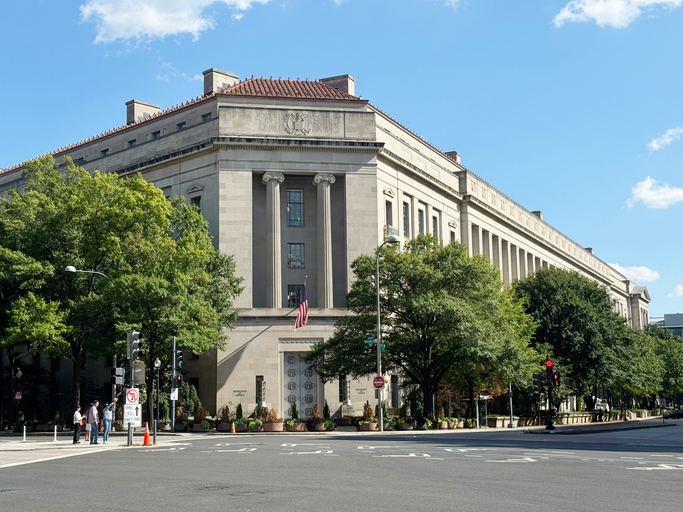
Why is the DOJ investigating false claims of DEI practices?
The DOJ contends that federal contractors may be violating the FCA under the false certification theory, a legal theory that expands the FCA’s scope. Essentially, if a federal contractor certifies compliance with federal non-discrimination laws, but simultaneously maintains practices that support preferences based on membership in a protected class (race, gender, etc.), then the contractor is, in practice, non-compliant.
For these claims to succeed, the DOJ must demonstrate that the contractor’s certification of compliance was “material” to the government’s decision to award a contract or approve payment. That is, the contractor misrepresented their DEI practices to gain a government contract and, therefore, committed fraud.
If liability is established, penalties can be significant. FCA violations may result in treble damages, civil penalties for each false claim, and long-term consequences such as suspension or exclusion from future government contracts. Reputational harm can also follow, particularly for companies that rely on federal work.
Why has the DOJ chosen to focus on DEI programs?
Unlike typical FCA investigations, which typically originate with whistleblowers or through a government audit, these probes into DEI practices may have been instigated directly by senior DOJ officials. Multiple Civil Investigative Demands (CIDs) have already been issued to several major contractors across telecommunications, defense, pharmaceuticals, and automotive manufacturing.
The DOJ has yet to publicly comment on these investigations, although the risk is very real for noncompliant contractors.
What could constitute non-compliance?
Non-compliance may arise when DEI programs rely on decision-making criteria that conflict with federal nondiscrimination laws. Practices that tend to draw heightened scrutiny include:
- Using protected characteristics, like race or sex, as a determining factor in hiring, promotion, or termination decisions
- Implementing rigid demographic quotas rather than flexible, non-discriminatory goals
- Limiting internships, fellowships, or training programs to individuals from specific protected groups
Of course, the risks of this heightened scrutiny is exacerbated by the fact that it is the government who is making subjective determinations of when a hiring or employment practices crosses the line in their eyes. These practices can raise concerns under Equal Employment Opportunity Commission regulations. If a company certifies compliance with federal nondiscrimination laws while maintaining policies that conflict with those standards, it may face exposure not only under employment law but also under the False Claims Act.
How companies can mitigate the risk of FCA violations
Companies that do business with the federal government should review their DEI programs with an eye toward legal compliance, not just policy intent. This includes examining hiring, promotion, and training practices for any elements that could be interpreted as impermissible preferences.
An external review by counsel can provide needed independence and help identify issues before they become enforcement problems. Training for recruiters and hiring managers is also critical. Decision-makers should understand what federal law allows, what it prohibits, and how to document job-related reasons for employment decisions.
Before submitting compliance certifications, organizations should confirm they have a reasonable, good-faith basis for those statements. Taking these steps early can reduce the risk of FCA scrutiny and demonstrate a commitment to lawful compliance.
How legal counsel can assess DEI-related FCA risk
The attorneys at Griffin Durham Tanner & Clarkson LLC advise organizations on complex False Claims Act matters, including issues involving government certifications and compliance obligations. The firm represents both whistleblowers and defendants in FCA cases, giving its attorneys a broad perspective on how these matters are investigated and litigated.
If your organization is concerned that its DEI practices could draw government scrutiny, legal counsel can help assess risk, identify potential issues, and recommend corrective steps where needed. To discuss a compliance risk assessment, contact us online or call (404) 891-9150.
